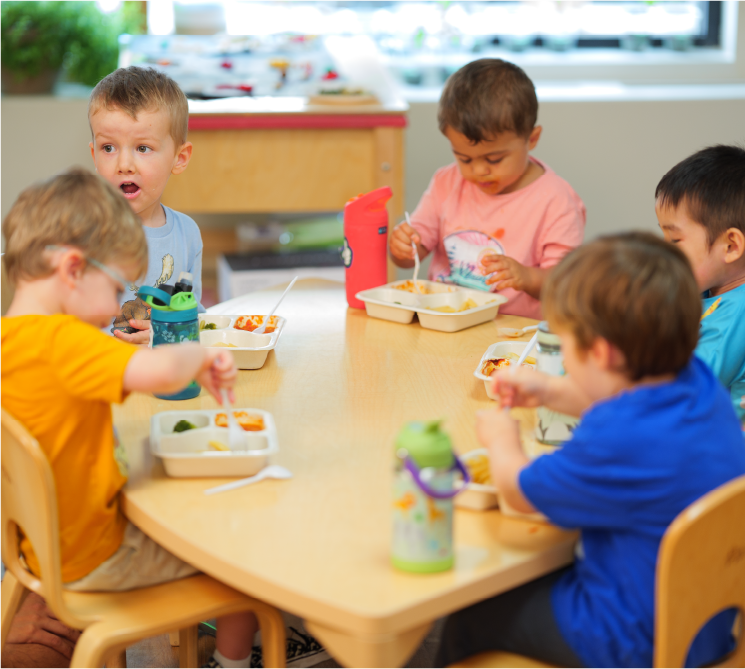
When a three-year-old spends twenty minutes building and rebuilding the same tower, it can look like simple fun. For the child, it is a full workout for the brain: planning, testing, failing and trying again. Play is how young children make sense of the world, and it is the foundation of everything we do in our classrooms.
What children learn while they play
Researchers and early-childhood educators have long described play as the natural way young children learn. A single morning in the block area or the dramatic play corner touches nearly every area of development:
- Early math: counting blocks, comparing heights, sorting by shape and color.
- Language: negotiating roles, naming objects, telling the story of what they built.
- Self-regulation: waiting for a turn, handling frustration when the tower falls.
- Social skills: sharing materials and working toward a shared goal.
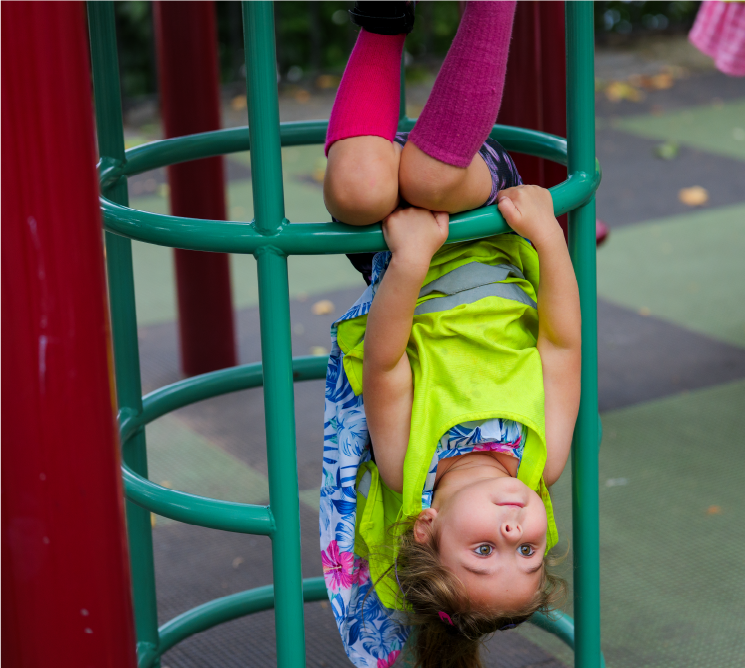
- Physical skills: balancing, grasping and fine hand-eye coordination.

Open-ended materials do the most work
Toys that do only one thing tend to be played with in only one way. Open-ended materials such as blocks, clay, fabric, loose parts and water can become anything a child imagines. That is why our classrooms favor simple, real materials over battery-powered toys: the thinking stays with the child.
“Play is the highest form of research.”A saying often shared among early educators
The teacher’s role during play
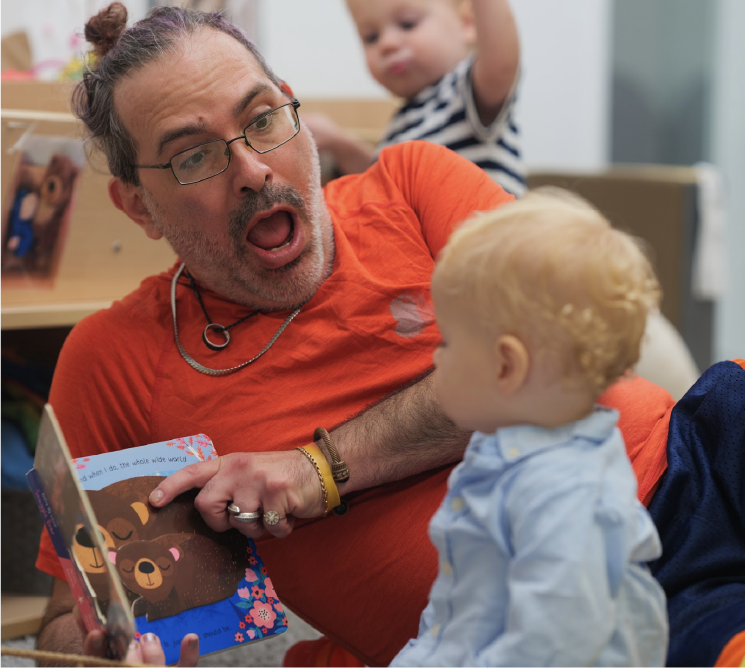
Play-based does not mean hands-off. Our teachers observe closely, notice what children are curious about and step in with a question or a new material at the right moment. “What would happen if the base were wider?” turns a fallen tower into an engineering lesson.
How to support play at home
- Keep a small basket of open-ended materials within reach.
- Leave time in the day that is not scheduled.
- Describe what you see rather than praising the result: “You used all the long blocks on the bottom.”
- Resist the urge to fix it. Let them work out the problem.
The next time your child is deep in play, know that serious learning is happening. Our job, and yours, is to give it the time and space it deserves.