A well-rested toddler is a happier, more curious learner. Yet bedtime can be one of the hardest parts of the day. The good news: small, consistent routines go a long way.
How much sleep do toddlers need?
The American Academy of Pediatrics recommends that children aged 1 to 2 get 11 to 14 hours of sleep in 24 hours, including naps, and that children aged 3 to 5 get 10 to 13 hours. Every child is different, so watch for signs like rubbing eyes, irritability or a sudden burst of energy late in the evening.
Build a predictable wind-down
Toddlers thrive on knowing what comes next. A simple, repeated sequence signals that sleep is coming:
- Bath or wash-up
- Pajamas and teeth
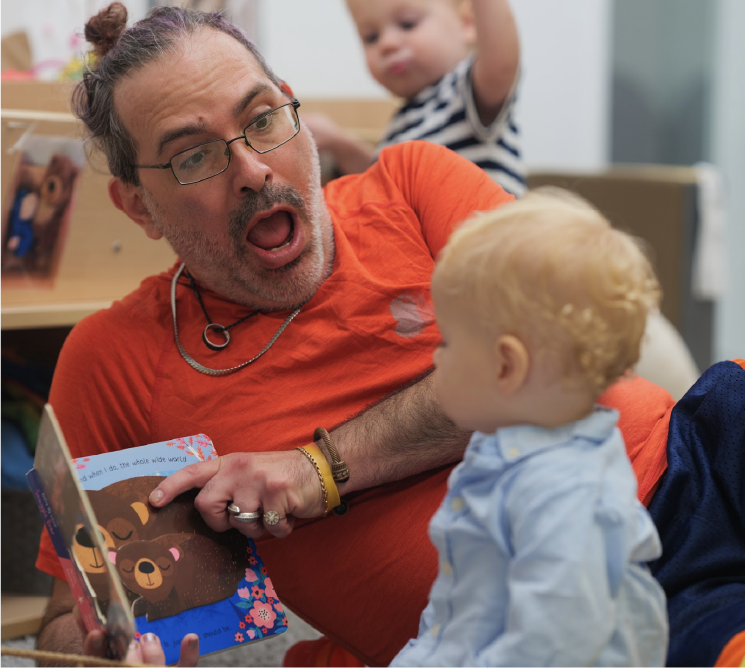
- One or two books
- A song or a short chat about the day
- Lights out with the same goodnight words

Set up the space
- Keep the room dark, cool and quiet.
- Turn off screens at least an hour before bed.
- Choose one comfort object and keep it consistent.
Naps at school
Rest time is part of our daily schedule. Children nap or rest on their own cots with familiar items from home, and teachers share how long your child slept so you can plan the evening.
When the routine falls apart
Travel, illness, a new sibling or a developmental leap can disrupt sleep for a while. Return to your usual routine as soon as you can, keep your responses calm and boring at night, and give it a week or two. If sleep problems persist, talk with your pediatrician.